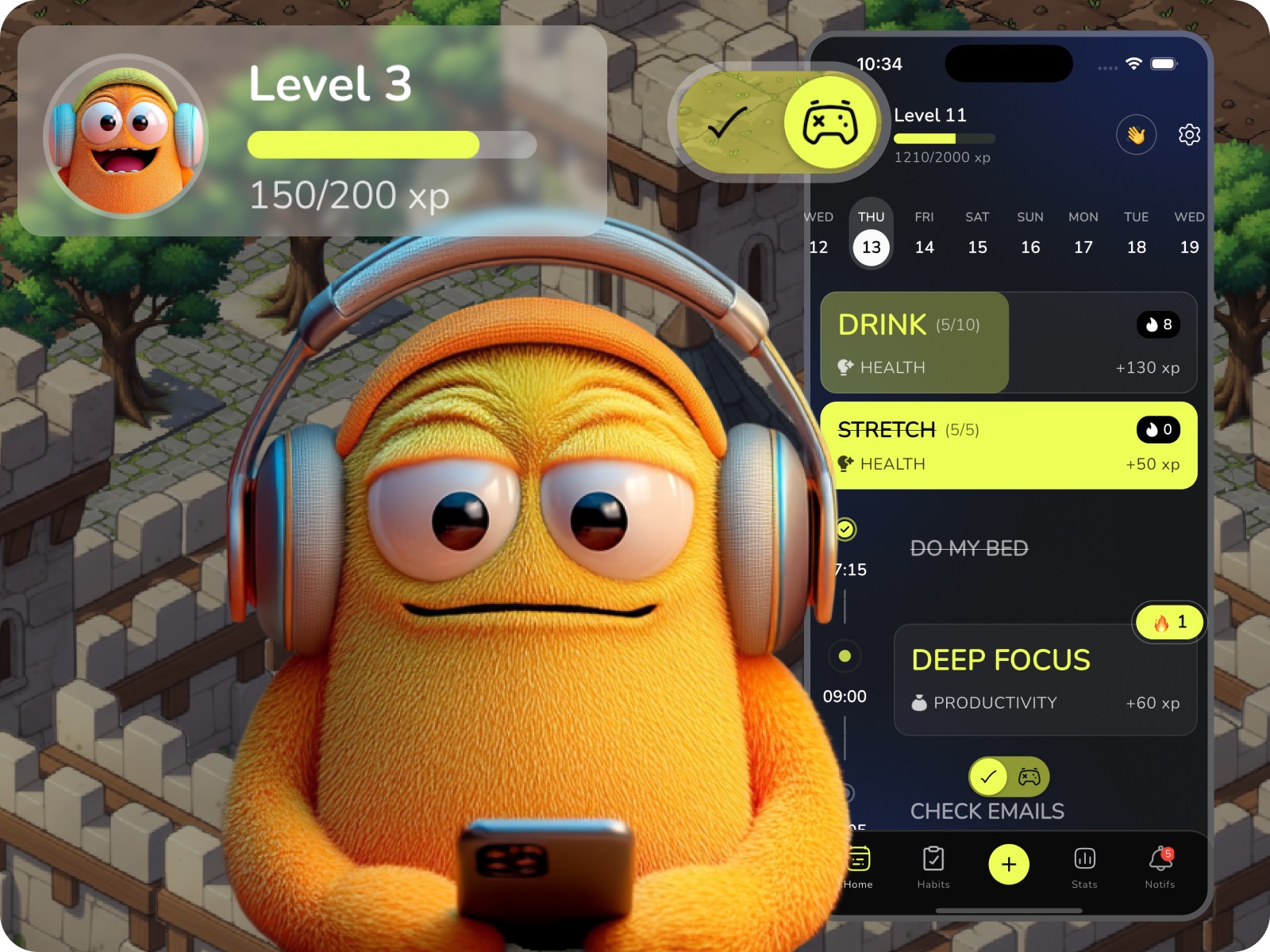
🎮 a game changer: why virtual rewards drive real progress
we all know that feeling. hours fly by when you are deep in a game, but your real-world tasks? they can often feel like an uphill battle. what if we told you there is a scientific reason for this, and you can use it to your advantage?
it is called gamification psychology. this powerful concept applies game design elements and game principles to non-game contexts. think about it. you get points, badges, and progress bars in many apps today. these are not just for fun. they are designed to tap into your natural motivations, helping you beat things like procrastination and achieve your goals.
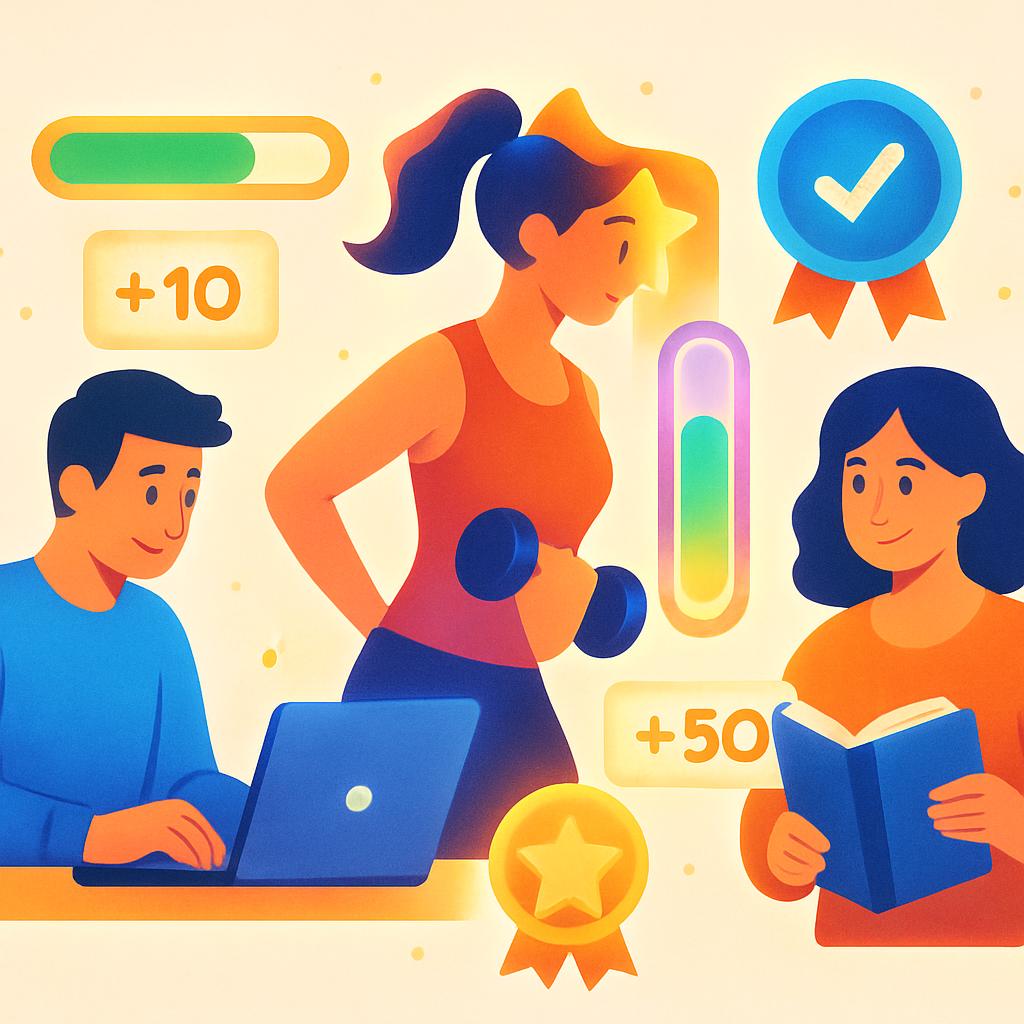
🧠 understanding gamification: beyond just playing games
gamification is more than just turning tasks into games. it is about understanding what motivates us and then structuring activities to leverage those drivers. it takes the engaging elements of games, like challenges and rewards, and applies them to everyday life. this helps make routine or difficult tasks more enjoyable and, crucially, more achievable. When tasks feel effortless, you might even enter a flow state that unlocks peak productivity.
it is a strategy used across various fields, from education to fitness, because it works. it focuses on creating an environment where achieving goals feels less like a chore and more like a quest.
for instance, imagine a fitness app that awards you points for every mile run. or a language learning platform that gives you badges for mastering new vocabulary. these are simple examples of gamification in action.
🎯 the psychology behind virtual rewards
virtual rewards are not just digital trinkets. they are carefully designed psychological triggers. they tap into fundamental human desires and neurological processes that push us to keep going.
let us break down some key psychological principles at play.
✨ dopamine and the reward system
your brain loves rewards. when you complete a task or achieve a goal, even a small one, your brain releases dopamine. this neurotransmitter is associated with pleasure, motivation, and learning. it makes you feel good and encourages you to repeat the behavior.
virtual rewards, like earning a new building in a digital city or seeing a progress bar fill up, provide these small, frequent dopamine hits. these bursts of pleasure create a positive feedback loop, reinforcing your actions. this makes you more likely to stick with a task or a habit, even when it is challenging.
think of it like this: each small win, each virtual reward, is a mini celebration for your brain. it trains your brain to associate effort with positive feelings.
📈 goal setting and progress tracking
humans are wired to pursue goals and appreciate progress. virtual systems often visualize your advancement, making abstract goals tangible. a progress bar that is 75% full tells a clear story. it shows you how far you have come and how close you are to finishing.
this visual feedback is incredibly motivating. it gives you a sense of accomplishment and reduces the feeling of being overwhelmed by a large task. when you see your progress, it fuels your determination to reach the next milestone.
for example, a study by the university of pennsylvania found that people who could visually track their progress towards a goal were significantly more likely to achieve it.
⏳ instant gratification
we live in an age of instant gratification. games excel at providing immediate feedback and rewards. you complete a level, you get a bonus. you defeat an enemy, you get loot.
virtual rewards in gamified apps mimic this. instead of waiting weeks or months for a big reward, you get immediate positive feedback for small, consistent efforts. this instant recognition is powerful in combating procrastination, which often thrives on delaying gratification.
when you finish a daily task and instantly see a virtual building appear in your city, that is instant gratification at its best. it makes the effort feel immediately worthwhile.
💪 autonomy and mastery
gamification often provides a sense of autonomy, giving you choices and control over your progress. you decide which tasks to tackle and how to approach them. this sense of agency is a fundamental psychological need.
moreover, as you complete tasks and earn rewards, you develop a feeling of mastery. you are getting better, more efficient, and more skilled. this feeling of competence is a huge motivator. it encourages you to take on new challenges and continuously improve.
consider the way video games challenge you to level up your skills. gamified apps do the same for your real-life abilities.
🛑 how gamification fights procrastination
Procrastination is a common enemy for many. it thrives on overwhelming tasks and a lack of immediate incentive. gamification directly attacks these weak points.
by breaking down large goals into smaller, manageable tasks, gamification makes them less daunting. each completed mini-task comes with a reward, providing that crucial motivation to keep moving forward. it shifts your focus from the overwhelming end goal to the next achievable step.
this approach transforms the perception of work. instead of a chore, it becomes a series of engaging challenges with clear rewards. it turns