Ever felt that nagging voice in your head? The one that whispers, "It's not good enough yet." We've all been there. We stare at a blank screen or a dusty pair of running shoes. We feel completely paralyzed. We want everything to be perfect before we even start. This desire for flawlessness often becomes a huge roadblock. It traps us in a cycle of perfectionism. This leads straight to procrastination.
How many times have you put off a project? Maybe you didn’t have the perfect plan. Perhaps you lacked the perfect tools or the perfect mood. We convince ourselves it's not worth doing if it's not flawless. But that mindset gets nothing done. Let's ditch that trap. We'll learn to kick that inner critic to the curb. We’ll get things moving.
🔪 the silent killer: how perfectionism stalls progress
Perfectionism can feel like a badge of honor. We think it shows we care about quality. But often, it's just fear in a fancy suit. It’s the fear of failure. It’s the fear of judgment. Sometimes, it’s even the fear of success itself. It pretends to be a high standard. This isn't about striving for excellence. That is fantastic. This is about being too scared of an imperfect outcome. You prevent any outcome at all.
Imagine wanting to build a towering skyscraper. Instead of laying the first brick, you endlessly redraw the blueprints. You try to account for every tremor or wind gust. You want the foundation to be absolutely perfect. So perfect, you never actually lay a brick. Sound familiar? We spend too much energy on potential imperfections. We forget the main goal is simply to build something.
✅ the "good enough" mindset: your secret weapon
This might sound strange. Especially if you always aim for the best. But embracing a "good enough" mindset is truly powerful. It doesn't mean settling for shoddy work. It means accepting that the first attempt, the messy beginning, is often exactly what you need. Think of it as progress over perfection.
Consider the Minimum Viable Product, or MVP. Tech companies don't launch a perfect, fully-featured software version. They launch a basic version. It solves a core problem. Why? To get feedback. To improve it. They know a working, "good enough" product is more valuable. It's better than a perfect product that only exists in someone's head.
Professional athletes don't strive for perfection in every drill. They focus on repetition. They get the mechanics right. They build muscle memory. They know some attempts will be sloppy. But those imperfect repetitions are crucial for improvement. "Done is better than perfect" isn't for laziness. It's a mantra for action. It builds momentum. You learn along the way. You don’t stay stuck in analysis paralysis.
🧠 rewire your brain: practical mental shifts
Our brains are creatures of habit. If you've been a perfectionist for years, it's time for a rewire. It’s not easy. But it's absolutely doable.
- 📝 embrace the first draft mentality. Give yourself permission for your first attempt to be terrible. When I write, I call it the "vomit draft." The goal isn't genius. It's just to get words on the page. You can always edit later. You can't edit a blank page. A sculptor starts with a rough block of clay. They don't start with a perfect statue.
- 🔄 focus on iteration, not perfection. Life, work, and growth are iterative processes. You start. You learn. You adjust. You improve. Each cycle brings you closer to your goal. Successful people aren't perfect the first time. They are great at iterating. They run experiments like scientists.
- 🗣️ challenge your inner critic. That nagging voice? Talk back to it. Ask, "Is this really true? What's the worst that could happen if I just start?" The worst-case scenario is rarely as bad as your brain thinks. Remind yourself the goal is progress, not flawlessness. You are not defined by one initial attempt.
- ⏱️ the "two-minute rule" (or "five-minute rule"). This is a game-changer. If a task feels overwhelming, commit to just two minutes. Or five. That’s it. A low bar makes it easy to start. Often, those two minutes stretch into more. You'll make significant progress. It breaks the inertia. That's usually the hardest part.
🚀 strategies to get moving: actionable steps
We’ve talked about mental shifts. Now, let's cover concrete steps to make starting easier. These are your battle plans against the perfectionist monster.
- 🧩 break it down, way down. A huge task feels less scary when you chop it. Make it tiny. Want to write a novel? Think "write one paragraph." Or even "write one sentence." Want to get fit? Don't think "workout for an hour." Think "do ten push-ups." Or "put on my gym clothes." Small wins build confidence. Each tiny step is a victory.
- 🎯 set realistic expectations. Your first attempts won't be your best work. That's perfectly okay. Expect bumps. Expect mistakes. Expect things to look a little rough. This isn't about lowering your final standards. It's about adjusting expectations for the beginning. You wouldn't expect a beginner chess player to beat a grandmaster.
- ⏳ time boxing your efforts. This is powerful. Dedicate a specific, limited time to a task, say 30 minutes. Then stop. The goal isn't to finish perfectly. It's to work for the allotted time. This takes pressure off perfection. It shifts focus to consistent effort. You'll be surprised what you do in short, focused bursts.
- ✨ visualize the imperfect start. Before you begin, close your eyes. Imagine yourself starting the task. Even if it's messy. See yourself making a mistake. Or producing something less than ideal. Then continue anyway. This mental rehearsal reduces anxiety. It normalizes imperfections.
- 🎉 celebrate small victories. Did you write that first paragraph? Did you put on your gym clothes? Did you spend two minutes on that report? Celebrate it. Acknowledge every small step. These small celebrations reinforce positive behavior. They make you more likely to continue. It tells your brain, "Hey, starting feels good!"
🧱 building momentum, one brick at a time
This journey is about building momentum. From overcoming perfectionism to taking consistent action. Every small step, every imperfect start, is a brick. It builds the foundation of something greater. You’re not just doing a task. You're building a habit, a skill. You're building a better version of yourself. All those tiny, often imperfect, efforts accumulate. They become something impressive.
🔚 conclusion
My friend, it’s time to stop. Don't let perfection be the enemy of good. Ditch the fear of imperfection. Embrace the power of simply getting started. A finished, imperfect project is always better. It beats a perfect project that never leaves your head. Start small. Set realistic expectations. Celebrate every single win. You have the power to break free from the perfectionist's trap. You can build the life you want. One action, one brick, at a time.
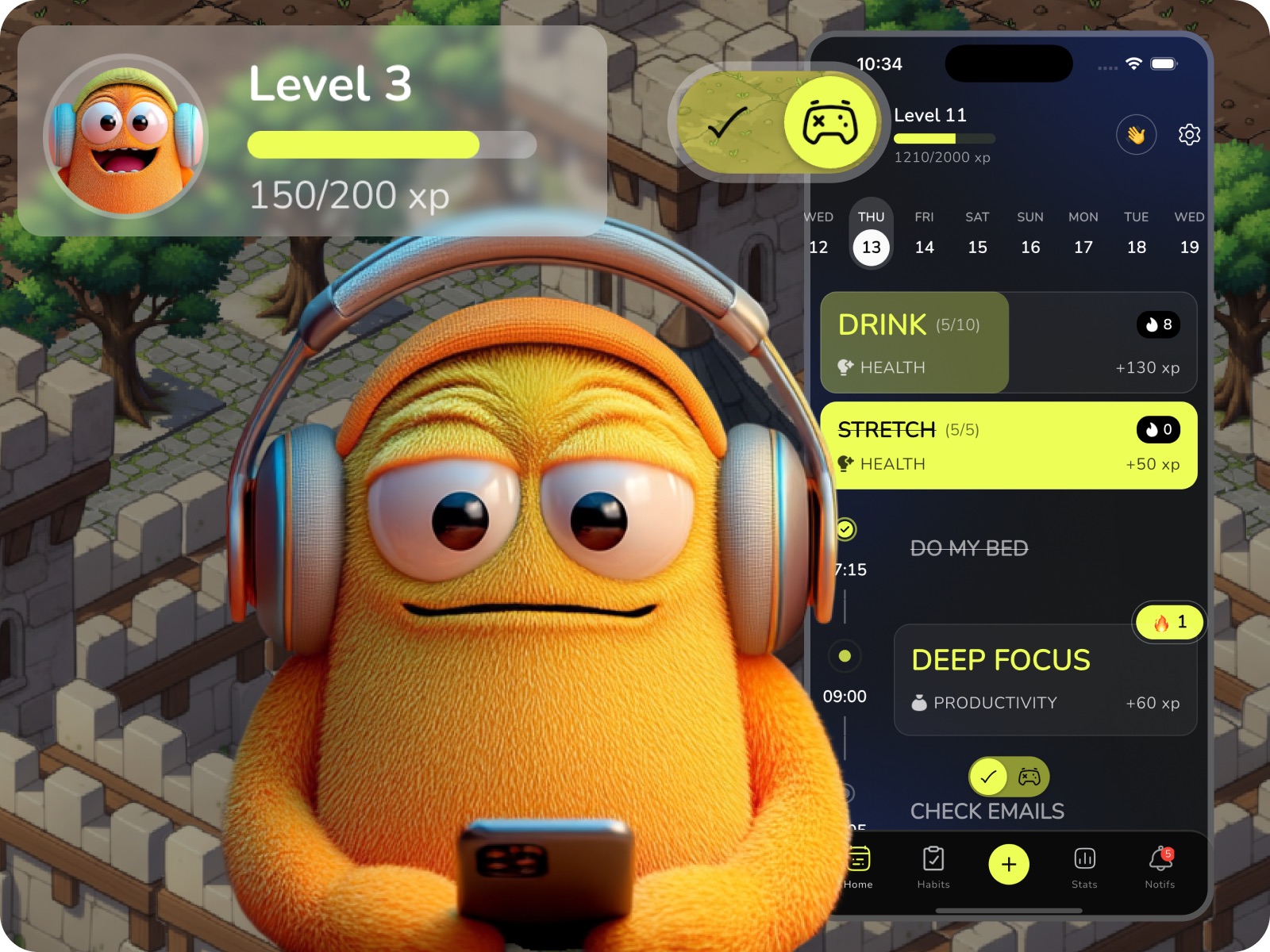
Why not take that first step today? Kubbo can help. It's an app for tracking your goals. You create daily tasks and habits. Every time you finish a task, you get a building. You add it to a virtual city. You can see your progress visually. Kubbo’s AI assistant can even suggest habits for you. It asks questions and tailors suggestions. It makes habit building engaging and rewarding. Give Kubbo a shot. Start building your own city of accomplishments. What's the first brick you're going to lay?