The sleep-procrastination loop: how rest impacts your daily drive

Ever wonder why you keep putting things off? It might be your sleep. Dive into the critical connection between adequate rest, energy levels, and procrastination. Discover how optimizing your sleep can boost motivation and help you crush your daily tasks.

The sleep-procrastination loop: how rest impacts your daily drive

Hey guys, ever had a day where your to-do list just sits there, while you're lost in a YouTube rabbit hole? You know that feeling. Your brain screams "Get stuff done!" but your body whispers, "Nah, maybe later."

If this sounds like you, you're not alone. We've all been there, stuck in the endless cycle of putting things off. But what if I told you the secret weapon against procrastination isn't a complex hack? It's something far more basic, something you probably crave more of already, sleep.

It sounds too simple, doesn't it? Yet, the link between enough Zs and getting things done is incredibly powerful. Think about it. When you're well-rested, you feel like a different person. You're sharper, more focused. Tasks feel less like a chore. But when sleep is poor, your daily drive often goes with it. We'll dive into this sleep-procrastination loop. We'll explore why it happens. And we'll arm you with strategies to break free. It's time to stop sleeping on your potential and start sleeping for your potential.

🤯 the vicious cycle, when your brain runs on empty

Let's be real. We've all pulled an all-nighter. Maybe it was for a project, or a gaming marathon. How did you feel the next day? Probably like a zombie, right? Your brain, your supercomputer, feels like it's sputtering. This isn't just a feeling. It's a scientific fact. Sleep deprivation messes with your cognitive functions. It makes procrastination almost inevitable.

🔋 your brain on low power mode

Imagine your brain as a high-performance gaming PC.

  • Fully charged, it runs smoothly.
  • It processes info quickly.
  • It executes commands without a hitch.
    Now, imagine that PC on 5% battery. It has a dozen demanding apps open. It's struggling to keep up. That's your brain without enough sleep.

Lack of sleep impairs your prefrontal cortex. This brain part handles key functions:

  • 📝 planning
  • 🤔 decision-making
  • 💡 problem-solving
  • 🛑 impulse control
    These are the very tools you need to start and finish tasks. They get dulled. So, when faced with a tough assignment, your underpowered brain chooses the easy path. It pushes you towards instant gratification. Think social media or a quick game. It avoids challenging tasks. It's not laziness. It's your brain conserving energy. Procrastination saves energy, in the short term. We trick ourselves into thinking we're resting. But we often just delay the inevitable, adding stress.

📉 the energy drain, more than just feeling tired

It's not just your mental faculties that suffer. Your physical and emotional energy levels plummet too. Ever notice how simple tasks feel huge when you're exhausted? Even walking to the fridge feels like a trek. This fatigue makes everything seem harder. Our bodies are amazing machines. But they need rest to recharge. Without it, our motivation tanks.

When you're running on fumes, your body ramps up stress hormones like cortisol. This puts you in a constant "fight or flight" mode. You feel anxious and irritable. Who wants to tackle a complex spreadsheet when they're already stressed? This low energy, plus increased stress, creates a perfect storm for procrastination. You avoid tasks. Not just because they're hard, but because you lack the reserves to start. It's a self-fulfilling prophecy. Lack of sleep leads to procrastination. This often leads to more stress and even worse sleep.

🤔 why we trade sleep for... what, exactly?

Alright, if sleep is so important, why do so many of us, especially 18-35 year olds, skimp on it? We don't want to be tired and unproductive. Modern life offers many temptations and pressures. These often push sleep down our priority list.

📱 the "just one more" syndrome

Picture this. It's late. You know you should sleep. But your gaming buddies just started a match. Or that Netflix series has a cliffhanger. Or you're deep into Reddit. "Just one more," you tell yourself. Sound familiar? This "just one more" syndrome is a classic trap. Our digital world keeps us engaged. It provides constant stimuli. These hijack our attention. They delay bedtime.

  • Endless social media feeds.
  • Immersive video games.
  • Fascinating online threads.
    The allure of immediate entertainment is powerful. It often outweighs the future benefits of good sleep. We know we'll pay for it tomorrow. But tomorrow feels too far away. It's a classic example of instant gratification winning. It wins over long-term well-being. This is also why traditional to-do lists often fail procrastinators.

📈 the hustle culture trap

Beyond entertainment, there's hustle culture. We live in a world that often glorifies being busy. It praises long hours. It encourages sacrificing personal time for career. There's a subtle message. Sleeping less means you're more dedicated, more driven. We might think, "I'll just work a few more hours, then I'll sleep when I'm dead." Ambition is great. But consistently sacrificing sleep for work leads to burnout. Ironically, it decreases productivity long-term.

This mindset creates a vicious cycle.

  • We work late.
  • We get insufficient sleep.
  • We feel drained and unfocused the next day.
  • We feel compelled to work even later to catch up.
    This perpetuates the problem. It's a hamster wheel. The only way off is to realize sleep isn't a luxury. It's a fundamental requirement for peak performance. This applies both mentally and physically.

🛠️ breaking the cycle, strategies for better sleep

So, how do we escape this trap? It's easier than you think. But it needs consistency and commitment. Think of it like building a new skill, it takes practice. Getting better sleep isn't just about going to bed earlier. It's about optimizing your entire pre-sleep routine and environment.

🛏️ crafting your pre-sleep ritual, consistency is king

Your body loves routine. Like training for the gym, your brain needs cues. It needs to know it's time to wind down.

  • Set a consistent bedtime and wake-up time. Yes, even on weekends. This regulates your circadian rhythm.
  • Start a wind-down routine about an hour before bed. This could be anything relaxing:
    • 📖 Reading a physical book, not on a screen.
    • 🛀 Taking a warm shower or bath.
    • 🎶 Listening to calming music or a podcast.
    • 🧘‍♀️ Doing light stretching or meditation.
    • 🍵 Having a cup of herbal tea.
      Consistency is key. Do the same things nightly. Your brain will link these to sleep. This makes drifting off easier. It's a mental warm-up for sleep. It prepares your mind and body. Remember, consistency is crucial. It helps avoid common mistakes that kill new habits.

🌌 optimize your sleep environment, your sanctuary of zzzs

Your bedroom should be a sleep sanctuary. Not an entertainment hub. Think about these basics:

  • Darkness: Make it as dark as possible. Blackout curtains or an eye mask work wonders. Even a tiny light can disrupt melatonin.
  • 🤫 Quiet: Minimize noise. Earplugs or a white noise machine can block distractions.
  • ❄️ Cool: Most people sleep best in a cool room. Aim for 60-67 degrees Fahrenheit (15-19 degrees Celsius).
  • 😌 Comfort: Invest in a comfortable mattress and pillows. You spend a third of your life here, it's worth it!
    Creating an ideal sleep environment tells your body, "This is where we rest, this is where we recharge." This makes falling and staying asleep much easier.

🚫 mind your melatonin, not your screen, the blue light blues

This is a big one for our generation. Our devices, phones, tablets, computers, and TVs, all emit blue light. This light tricks your brain. It thinks it's still daytime. It suppresses melatonin production. Melatonin tells your body to sleep. The result? You feel less sleepy, even past bedtime.

Try to put away all screens at least an hour, preferably two, before bed. If that's impossible:

  • activate "night mode"
  • use blue light filtering glasses
    Even better, swap that late-night gaming for reading. Or quiet reflection. Trust me, Master Chief can wait. This small change can greatly impact your ability to fall asleep naturally. It helps you achieve deeper, more restorative sleep.

✨ reclaiming your day, how sleep fuels productivity

Once you prioritize sleep, you'll be amazed. It affects every part of your life. Especially your productivity and ability to kick procrastination. It's like upgrading your operating system. Everything just runs smoother.

🚀 the motivation multiplier, unleash your inner go-getter

Remember your brain on low power mode when tired? Well, when well-rested, your brain gets a supercharge. You wake up with genuine energy. Not just caffeine energy. This new energy boosts motivation. Dauntin tasks now feel manageable. You have the mental clarity and drive. You can not only start a task but see it through.

Imagine a project due. When tired, opening that document feels like climbing Mount Everest. But after eight hours of sleep, you're more likely to think, "Alright, let's get this done." You're more proactive, less reactive. That's a game-changer for avoiding procrastination. You'll find yourself actually wanting to tackle your to-do list. This is a wild concept for many habitual procrastinators.

🎯 sharpening your focus, laser-like precision

Think of hitting a target with blurry vision. That's working with insufficient sleep. Your focus is scattered. You're easily distracted. Mistakes are more common. When well-rested, your cognitive functions are firing. Your attention span improves. You concentrate longer. You filter irrelevant info better.

This means you can dive into complex tasks. You maintain concentration. You complete tasks more efficiently and effectively. You'll make fewer errors. You'll absorb information faster. You'll produce higher-quality work. This isn't just about getting more done. It's about getting things done better. Imagine powering through work with laser-like precision. You tackle that challenging report without losing your train of thought. That's the power of a well-rested mind.

🧱 tackling tasks, one building block at a time

Here's a cool way to think about it. Every task you complete, every goal you achieve, is like adding a new building. It's a building in your personal city of accomplishments. When you're rested, you have the energy to lay those bricks. You construct those skyscrapers. You watch your city grow. When you procrastinate due to fatigue, your city stays a blueprint.

The key to beating procrastination, once sleep is sorted, is to make tasks less overwhelming. Break them down into smaller, manageable steps. Focus on one thing at a time. This approach, plus more energy from better sleep, makes progress feel tangible and rewarding. Each small win builds momentum.

🗣️ real-world impact, stories from the trenches

Let me tell you about Mark, a friend. For years, he complained about being behind at work. He never had time for personal projects. His routine? Gaming until 2 AM. Waking up groggy at 7 AM. Fueled by coffee. He struggled through his day. Often pushing deadlines to the last minute. He was stuck in the classic sleep-procrastination loop. He tried all the fancy productivity apps, but nothing stuck.

One day, after a bad week where he missed a deadline, he had enough. He challenged himself. For one month, he'd cut all screens at 10 PM. He aimed for eight hours of sleep. The first few days were brutal. He felt restless. He missed his late-night habits. But within a week, he noticed a difference. He woke up refreshed, not like he'd been hit by a truck. He found it easier to focus in meetings. By the second week, he was actually starting his personal projects in the evenings. Instead of just thinking about them. He wasn't just working smarter. He was working at all on things he previously avoided. It wasn't magic. It was the profound impact of prioritizing rest.

🌟 wake up, take charge, build your best life

The message is clear, guys. Sleep is not a luxury, it's your ultimate productivity hack. Ignoring it leads to a cycle of fatigue, poor focus, and endless procrastination. But by making conscious choices to prioritize your rest, you unlock a reservoir of energy. You sharpen your mind. And you fuel your motivation. You'll find yourself tackling tasks with newfound vigor. You'll make better decisions. And ultimately, you'll build the life you want, one accomplished goal at a time.

It's time to stop making excuses. Start investing in your most valuable asset, your well-rested self. Begin by making small, consistent changes to your sleep habits. Turn off those screens earlier. Create a relaxing bedtime routine. 

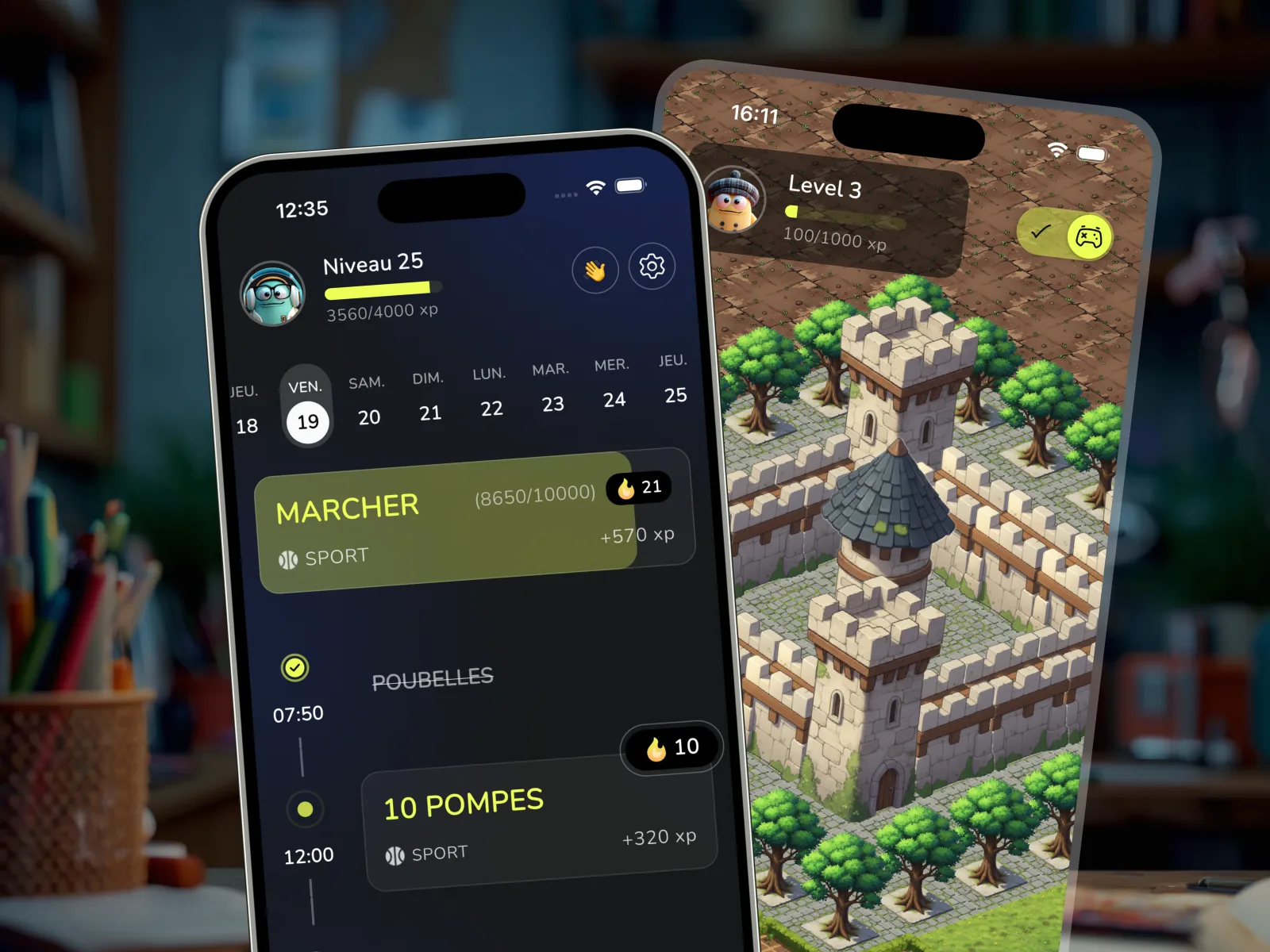
And if you're serious about taking charge of your daily drive and finally crushing that procrastination monster, check out Kubbo

You can create daily tasks with specific times and dates. 
Set up recurring habits like "screens off by 10 PM." Or track habits with counters, like how many days in a row you've hit your sleep goal. Every time you finish a task or stick to a habit, you get a new building to add to your very own virtual city.