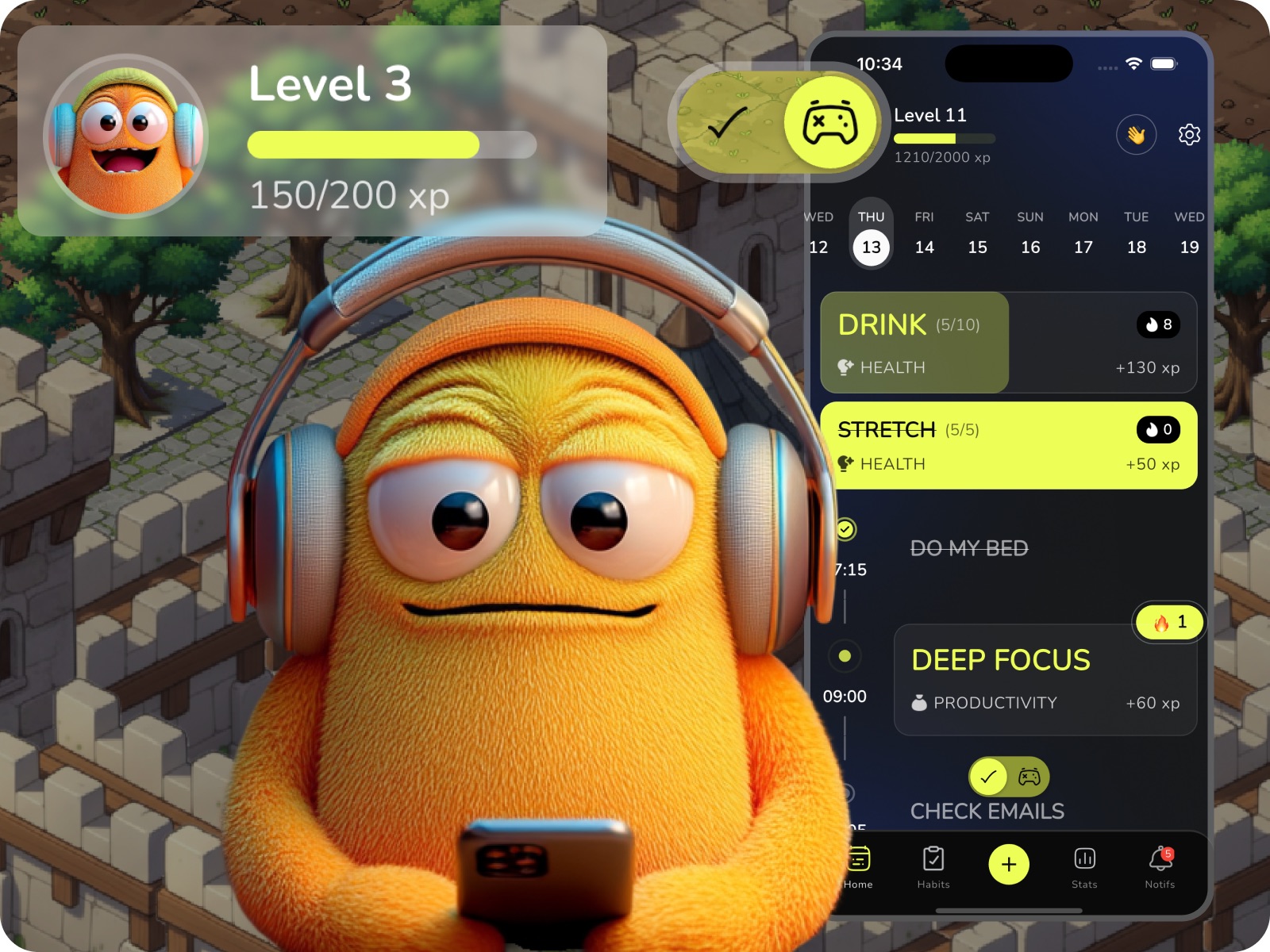
Ever found yourself staring at a blank screen, a pile of laundry, or an unread email, knowing full well you should be tackling something else entirely? We've all been there, my friend. It’s that sneaky habit of putting things off, even when you know it's probably going to bite you later. We call it procrastination, and it's a real piece of work, isn't it? It feels like a minor annoyance, but trust me, it can be a massive roadblock, holding you back from your biggest ambitions and even your daily tasks.
Think about it. You have a deadline, a fitness goal, or maybe a personal project you’ve been dying to start. Instead, you find yourself endlessly scrolling through social media, binge-watching another series, or suddenly feeling an inexplicable urge to clean your entire apartment. Sound familiar? You’re not alone. This isn't just about being lazy, it's a complex dance with your own mind, and understanding that dance is the first step to taking back control. Let's dive deep into what this elusive habit really is and why it keeps so many of us trapped.
🕰️ what exactly is procrastination?
So, what's the deal with procrastination? Simply put, it's the voluntary delay of an intended course of action despite foreseeing negative consequences. It’s not just delaying a task, it's intentionally delaying it, even when you know it's a bad idea. You might put off an important report to play an extra round of your favorite game, or delay that workout you promised yourself to 'just chill' a bit longer.
It’s different from simply being busy or prioritizing. When you procrastinate, you’re often choosing a less important, more enjoyable task over a more important, often less pleasant one. You're consciously making a choice that you know, deep down, isn't helping you move towards your goals. For instance, I once had a huge presentation due. Instead of working on it, I spent an entire evening reorganizing my spice rack. That's procrastination in its purest form, prioritizing a spotless spice rack over a critical career task.
🧠 why do we procrastinate? the psychology behind it
This isn't just about a lack of willpower, it’s far more intricate. Our brains are wired in interesting ways, and several psychological factors contribute to this universal habit. Understanding these can feel like a lightbulb moment.
- 😟 fear of failure or success: If you're afraid you won't do a good job, you might delay starting to avoid that potential outcome. Conversely, fearing success, perhaps due to increased responsibility, can also hold you back.
- ✨ perfectionism: If you believe a task needs to be absolutely flawless, the pressure can be paralyzing. You might delay starting, overwhelmed by the impossible standard you’ve set, leading to analysis paralysis.
- 😴 lack of motivation or low energy: If a task feels boring, difficult, or unpleasant, our brains gravitate towards instant gratification. We seek that dopamine hit now, not later, favoring immediate small pleasures.
- 🗓️ poor time management skills: Big projects can feel daunting if not broken down. When something feels overwhelming, it's easy to push it aside. It’s like looking at Mount Everest and thinking, “I’ll get to that tomorrow.”
- 😭 emotional regulation issues: Procrastination is often an attempt to avoid negative feelings associated with a task, like boredom, anxiety, or frustration. We’d rather feel good now than tackle something that makes us feel bad, a temporary escape.
👥 common types of procrastination you might recognize
Procrastination isn’t a one-size-fits-all problem. You might lean towards one or more of these common archetypes. Spotting yours is pretty insightful.
- 🌟 the perfectionist: This individual delays tasks fearing they won't be perfect. They’d rather not start than produce something they deem imperfect. They often get stuck in planning, never executing.
- 💭 the dreamer: This type loves to plan and envision glorious outcomes, but struggles with the practical steps. They're great at imagining future success but less enthusiastic about the grunt work.
- 🙈 the avoider: They put off tasks that are unpleasant, boring, or anxiety-inducing. They're masters of distraction, finding anything else to do, often believing the problem will just go away if ignored.
- 🔥 the crisis maker: This person thrives under pressure, delaying tasks until the absolute last minute. They create an artificial sense of urgency, often claiming, “I work best under pressure.” While they might get things done, quality often suffers, and stress is immense.
- 😵 the overwhelmed: This individual has so many tasks and goals that they don't know where to start, leading to paralysis. Imagine looking at a massive to-do list and just freezing up.
📉 the real cost: how procrastination crushes productivity
Let’s be honest, procrastination isn’t just about a missed deadline here or there. It takes a serious toll on your productivity, your mental well-being, and even your overall success. The costs are far greater than we often realize.
- ❌ missed deadlines and lower quality work: Rushing to finish something at the last minute rarely results in your best effort. This impacts your career, grades, and reputation.
- 😥 stress and anxiety: The dread of knowing you should be doing something is incredibly draining. It can lead to disturbed sleep, irritability, and even physical symptoms, impacting mental health.
- ⛔ stagnation of personal growth: Constantly putting off learning new skills or pursuing passions means you're hitting pause on your development. Procrastination steals opportunities for amazing achievements.
- 💔 impacts relationships: Delaying promises or responsibilities to others can erode trust and cause frustration. Whether it's helping a friend or submitting a team report, delays have ripple effects.
- 🔁 traps you in a cycle: The more you procrastinate, the more stress you feel, the less motivation you have, and the more likely you are to procrastinate again. It’s a vicious circle.
🚀 the first step to freedom: understanding your procrastination style
Now, here's the good news. Understanding why you procrastinate, and what kind of procrastinator you are, is incredibly empowering. It's like finding the instruction manual for your own brain. This self-awareness is the absolute first, most crucial step towards overcoming this stubborn habit. You can't fix a problem if you don't know what's causing it.
Once you identify your triggers, whether it's fear of starting a huge project, the unpleasantness of a particular task, or the lure of instant gratification, you can start to develop targeted strategies.
- 💡 recognize your patterns: Spot when and why you tend to put things off.
- 🎯 set realistic goals: If you're a perfectionist, aim for 'good enough' to get started.
- 🪜 break down big tasks: For the overwhelmed, transform daunting goals into tiny, actionable steps.
- 🛠️ find the right tools: Equip yourself with methods to tackle your specific tendencies.
When you understand your patterns, you can actively challenge them and build a more productive, less stressful life.
✨ conclusion
Procrastination is more than just putting things off. It's a complex habit rooted in our psychology, impacting everything from our productivity to our well-being. We've explored its definition, delved into the psychological reasons behind it, and identified common types that might resonate with your own experiences. From the fear of failure to the allure of instant gratification, many factors can keep us from achieving our goals.
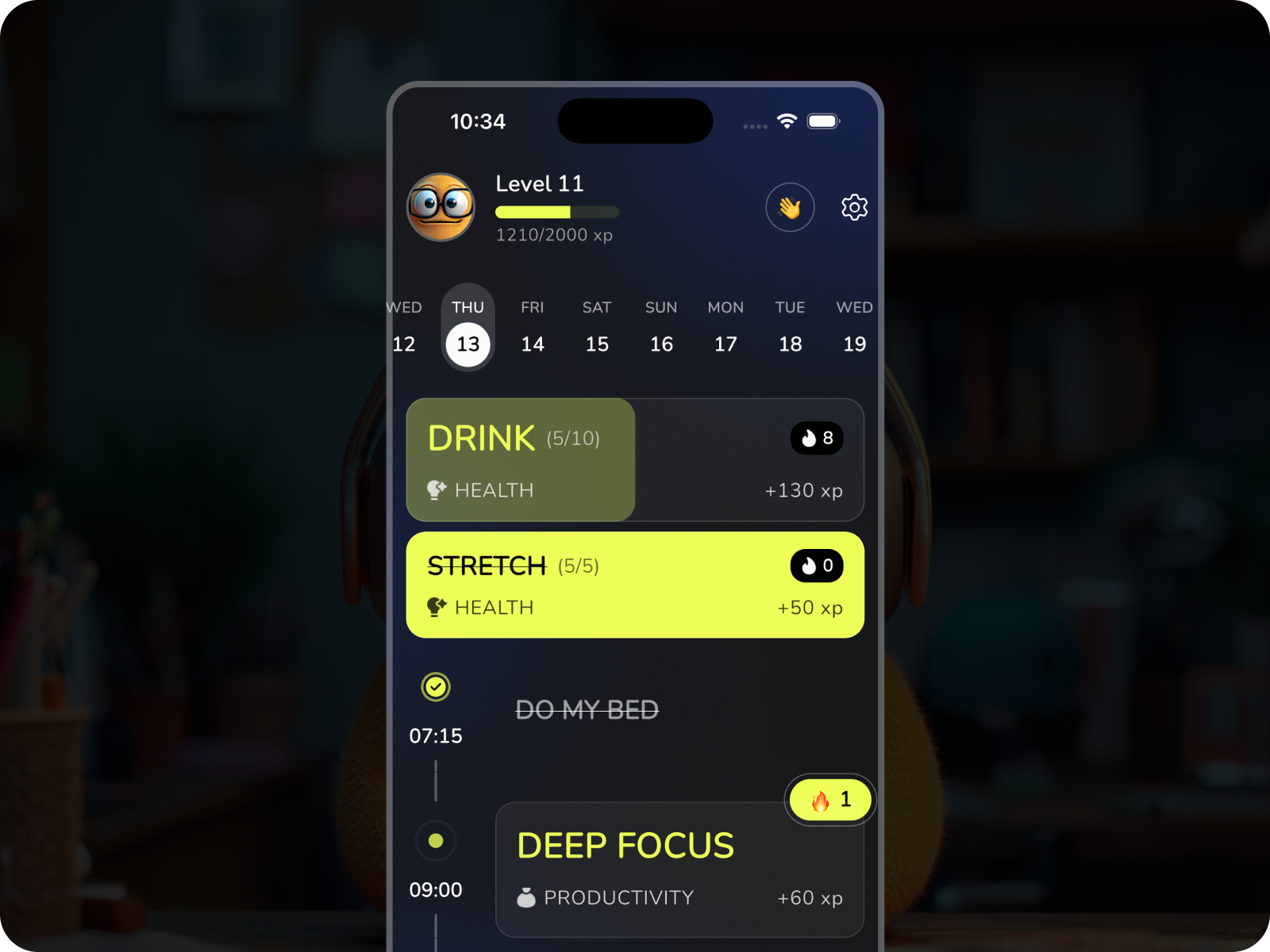
But here's the kicker, understanding is power. By recognizing your personal procrastination style and its underlying causes, you're already halfway to beating it. It's about developing self-awareness, identifying your triggers, and then equipping yourself with the right strategies and tools. Imagine an AI assistant suggesting personalized habits, helping you create daily tasks with specific times and dates, and rewarding your progress by letting you build a virtual city every time you finish something. This kind of system helps you transform abstract goals into concrete actions and visual rewards. So, stop letting those important tasks linger. Take that first step, understand your patterns, and start building the life, and maybe even the virtual city, you envision. Ready to stop putting off your potential and finally crush those goals? You've got this.