🚀 Unleash your inner productivity machine: a guide to conquering tasks
Ever stare at a mountain of tasks? It feels like your brain hit the snooze button indefinitely, right? We've all been there. That familiar dread of a looming deadline can be overwhelming. You might find yourself scrolling social media or binge-watching something instead. It's not laziness. It's often a sneaky villain called task paralysis or procrastination. This villain can steal your focus and crush your ambitions.
But what if I told you there's a simple, effective technique? It can help you snap out of that funk. You can regain your focus and start crushing your to-do list. Seriously. It's called the Pomodoro Technique. It's a game-changer. Think of it like a cheat code for your brain. It helps you dive into deep work. You'll feel accomplished, not exhausted.
🍅 What is the pomodoro technique, anyway?
Alright, so what exactly is this fancy-sounding technique? It's surprisingly simple. The Pomodoro Technique is a time management method. It uses a timer to break down work. Work is broken into focused intervals. These are traditionally 25 minutes long. They are separated by short breaks.
- These intervals are called "pomodoros."
- They are named after the tomato-shaped kitchen timer.
- Its creator, Francesco Cirillo, used it in the late 1980s.
- Pretty cool, huh?
The idea is to train your brain. You concentrate intensely for short bursts. It's like high-intensity interval training, but for your mind. You commit to a specific task. You eliminate distractions. Then you work against the clock. When the timer dings, you stop. You take a brief break. Then you get back to it. It sounds almost too easy to be true. But trust me, its power lies in consistency and structure.
🧠 Why we all struggle with focus, and why it's not your fault
Let's be real. Our attention spans are constantly under attack today. Notifications ping. Emails flood in. The internet is a bottomless pit of fascinating content. Yet, it's often distracting. It's tough to stay laser-focused. Your phone practically begs for your attention every five minutes. Our brains aren't wired for this constant barrage. That's where procrastination often kicks in.
Think about it. Sometimes a task just feels too big. It feels too overwhelming. Where do you even start? This feeling, the one that makes you freeze up and do nothing, is task paralysis. It's not a moral failing. It's a natural human response to perceived overwhelm. Our brains try to protect us from discomfort. They convince us that doing nothing is safer. It feels safer than tackling a giant, scary task. The Pomodoro Technique offers a gentle, structured way. It helps to break down those scary giants into bite-sized, manageable chunks. This makes them far less intimidating.
✨ The simple steps to pomodoro mastery
Ready to give it a shot? Here's how you can implement the Pomodoro Technique. Use it in your daily grind, step by step. It's not rocket science. But following these steps makes all the difference.
🎯 Step 1: pick your mission
First things first, what are you going to work on? This might sound obvious, but it's crucial. Don't just pick something vague.
- Be specific.
- Choose one single task.
- Write it down.
For example, don't say "work on report." Say "write the introduction for the Q3 sales report." This clarity is your first weapon against overwhelm.
⏱️ Step 2: set the timer
Now for the magic. Set your timer for 25 minutes. A physical timer can be great. The ticking sound adds to the urgency. There are also many apps available for your phone or computer. The key is to commit to this time.
🧑💻 Step 3: work with laser focus
Dive into your chosen task. For these 25 minutes, it's just you and the work.
- Eliminate all distractions.
- Silence your phone.
- Close unnecessary browser tabs.
- Tell housemates or colleagues you're unavailable.
- If a distraction pops into your head, quickly jot it down. Then, get back to your task.
Do not stop working until the timer rings. No checking emails, no quick social media peeks. Pure, unadulterated focus.
☕ Step 4: enjoy a short break
DING! The timer rings. Immediately stop working. Put your pen down. Step away from the keyboard. Now, take a 5-minute break. This short break is essential.
- Get up and stretch.
- Grab a glass of water.
- Walk around a bit.
- Look out the window.
- Avoid anything mentally taxing.
- Don't check social media or emails. This just pulls you back into work mode.
This break allows your brain to rest and recharge. It prevents burnout.
✅ Step 5: repeat and conquer
Once your 5-minute break is over, repeat the cycle.
- Set the timer for another 25 minutes.
- Focus on your task.
- Take another 5-minute break.
After completing four pomodoros, you've earned a longer break. This one should be 15-30 minutes. Use this longer break to truly disengage. Maybe grab a snack, go for a short walk, or listen to a song. This longer rest prepares you for the next set of focused work.
🚧 Common pitfalls and how to avoid them
The Pomodoro Technique is simple. Yet, some common mistakes can derail your efforts. Being aware of them helps you stay on track.
- 🚫 Ignoring breaks: Don't skip your breaks. They are not optional. They are vital for mental recovery. Skipping them leads to burnout.
- 📱 Distractions during pomodoros: Sticking to a task for 25 minutes can be tough. Turn off notifications. Put your phone in another room. Create a distraction-free zone.
- 💪 Over-planning: Don't try to plan out every minute. Focus on one task per pomodoro. Be flexible if things shift.
- 🔄 Not tracking progress: Knowing how many pomodoros you've completed is motivating. It shows progress. Use a simple tally mark system.
🌟 The benefits of pomodoro in your daily life
Why bother with this technique? The benefits are pretty awesome once you get into the rhythm.
- 🚀 Boosted focus: Your brain learns to focus for short bursts. This improves overall concentration.
- 📉 Reduced overwhelm: Big tasks become manageable chunks. This makes starting much easier.
- ⏰ Better time estimation: You'll get a clearer idea of how long tasks actually take. No more wild guesses.
- 🔥 Increased motivation: Finishing a pomodoro gives a sense of accomplishment. Seeing your progress fuels motivation.
- 🧘 Less burnout: Regular breaks keep your mind fresh. This prevents mental fatigue.
Conclusion
So, there you have it, the Pomodoro Technique. It’s a powerful tool to take control of your time and your tasks. It helps you move from procrastination to productivity. It's about taking small, consistent steps. You’ll be surprised how much you can achieve. Give it a try. See your focus sharpen and your to-do list shrink.
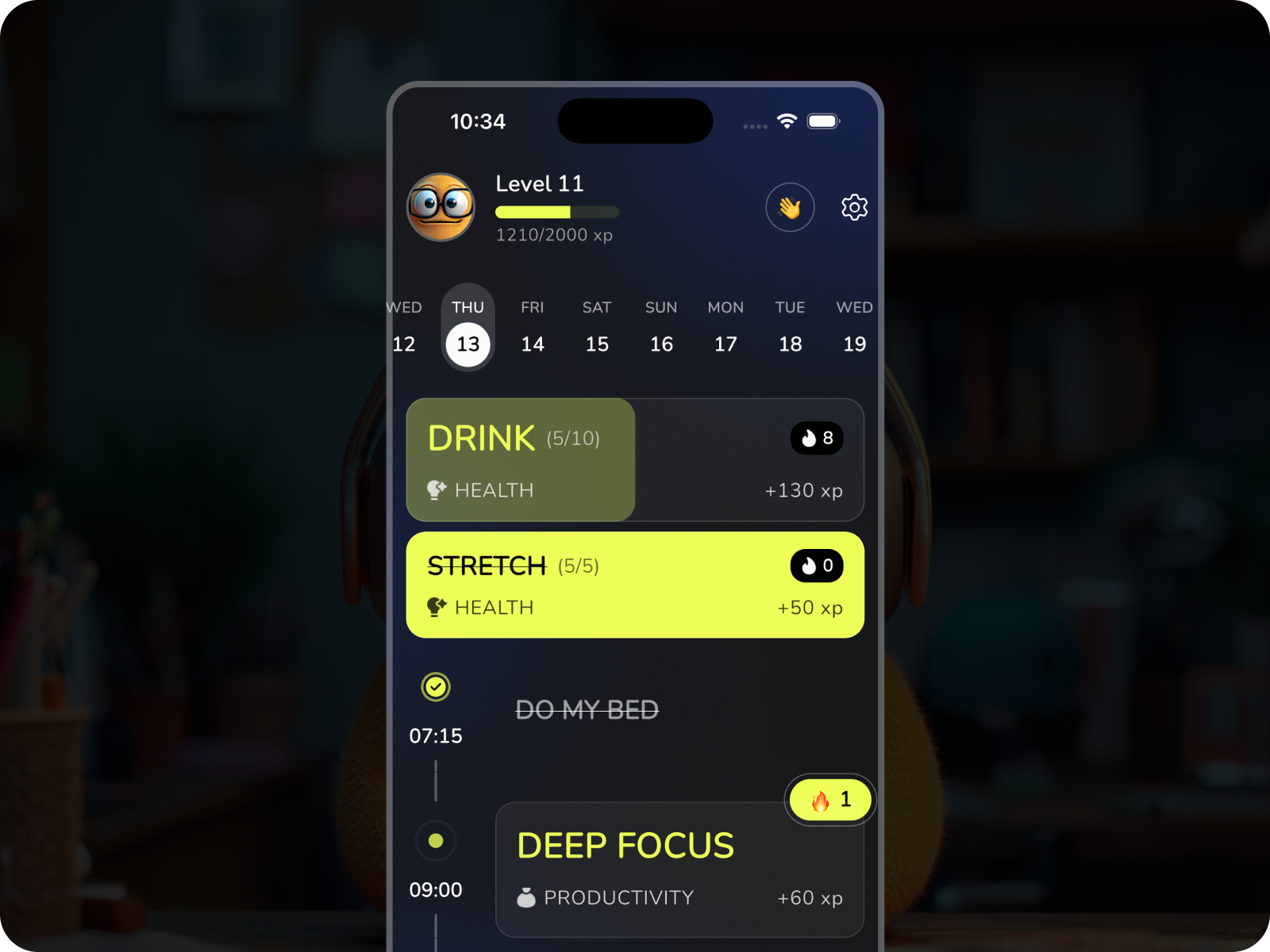
Ready to take these insights and apply them? Our app, Kubbo, can help. It's designed for people who procrastinate. Kubbo lets you create daily tasks with time and date. You can also track habits, even habits with counters. Every time you finish a task, you get a building to add to a virtual city. This motivates you and lets you see your progress visually. Plus, an AI assistant helps suggest habits. It asks you questions and tailors suggestions to you. Start building your productive habits and watch your city grow today!