You want a list. It is further down and you can skip to it.
Most people who search for thirty-day challenge ideas pick one in four minutes, start on a Monday, and stop around day nine. The idea was never the problem. The size was, or the timing, or nobody told them what day 31 is for.
Four checks first, then seventy ideas with a size attached to each, then the part that decides whether any of it holds.
What thirty days is actually good for
Matt Cutts put this idea in front of millions of people in a three-minute TED talk in 2011. His point was small and correct: the next thirty days will pass either way, so you may as well point them at something. He also said the part everyone forgets. The small changes you can keep stuck. The big dramatic ones did not.
Thirty days is not a magic number. It is a trial period. Long enough to learn whether you actually want the thing, short enough that you will agree to start.
Three things make it work:
A start date you can name. Researchers at Wharton looked at Google searches for “diet”, at gym card swipes, and at people signing up to pursue goals. All of them rise after a date that marks a break: the first of the month, a Monday, a birthday, a new year. A clean start line makes past failures feel like they belonged to someone else. That is most of what “day one” is doing for you.
An end date you can see. A rule with no end is a life sentence, and you will negotiate with it by Thursday. Thirty days you can picture.
It leaves something behind, even if you fail. A University of Sussex team tracked people through Dry January and checked on them six months later. Drinking days had fallen from 4.3 a week to 3.3. Units per drinking day from 8.6 to 7.1. Getting drunk, from 3.4 times a month to 2.1. And the effect held whether or not they finished the month.
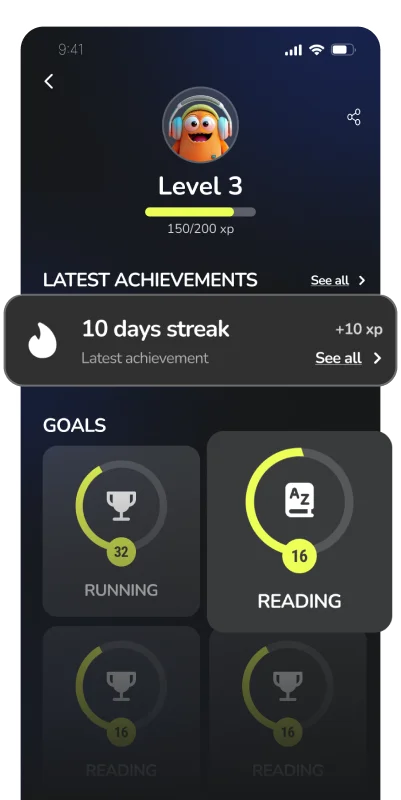
The honest case for a thirty-day challenge is not that thirty days builds a habit. It does not, and we will get to why. It shows you what the thing costs, and it moves your normal.
Four checks before you pick
Run any idea below through these. It takes a minute and it is the difference between day 30 and day 9.
1. Size it for your worst day, not your first. You will choose on a good day, so you will choose a good-day size: an hour at the gym, twenty pages, two thousand words. Then a bad Tuesday arrives and the target is impossible, so you skip, and skipping once is how it ends. Pick the number you can hit when everything has gone wrong. If you have failed at this before, start at the two-minute size and let it grow on its own.
2. One. Not four. Every list you will read encourages you to stack. Do not. Four habits is four ways to fail, and you only need one to give up on all of them. Take the second idea in October.
3. Score the action, not the result. “Lose 4kg” is not a thirty-day challenge. It is a wish with a deadline. You control whether you went out. You do not control what the scales say on day 22. Track days done and nothing else.
4. Decide now what happens when you miss. Not if. When. Write the rule down today, while you are calm, because you will not think clearly on the Tuesday: never miss twice in a row. One miss costs you nothing you can measure. Two is where challenges die. More on that in common mistakes that kill new habits.
Health and fitness
The busiest category, and the one where oversizing kills the most attempts. Every size below is deliberately small.
- Walk 20 minutes. The one most people should pick. No kit, no weather excuse if you own a coat. → daily walking
- Ten press-ups before your shower. Attached to something you already do every day.
- Stretch five minutes before bed. Five, not thirty. → daily stretching
- A glass of water before every coffee. Easier than counting to eight. → drink more water
- Same bedtime, seven nights a week. Weekends included, or it does not count. → consistent sleep schedule
- Twenty minutes of yoga. A video counts. → yoga practice
- End every shower with 30 seconds cold. The cheapest hard thing on this list. → cold shower
- Cook one meal you would have ordered. Saves money too. → meal prep
- No added sugar. Read the label once, then it is easy. → no added sugar
- Vegetables at two meals a day. Adding beats banning.
- Take the stairs, every time. Requires no time at all.
- Thirty minutes of exercise. The classic. Harder than it looks in week three. → daily exercise
Mind and mental health
- Ten minutes sitting still. Guided or not. → meditation
- Three lines in a journal. Three. Not a page. → journaling
- Write down one thing that went well. Thirty days of this changes what you notice. → gratitude practice
- One screen-free hour. Pick the hour in advance. → digital detox
- Ten minutes outside before you open your laptop.
- No news before noon. Cutts subtracted the news himself. It is a good one to remove.
- Name your mood once a day, in one word. Takes four seconds and does more than it sounds like.
- Phone charges outside the bedroom. Fixes your morning and your evening at once.
- Say one true thing you would normally leave unsaid.
- Sit with nothing for five minutes. No podcast, no phone, no plan.
Productivity and focus
- Ninety minutes of uninterrupted work. Phone in another room. → deep work
- Wake at the same time. Same time, not early. Those are different challenges. → wake up early
- Write tomorrow’s three tasks before you stop today. Three, ranked.
- A fixed twenty-minute morning sequence. Same order every day, so you stop deciding. → morning routine
- Two minutes on the thing you keep avoiding. Two minutes buys you the start, and the start is the hard part.
- No phone in the first hour you are awake.
- One hard task before the first meeting.
- Inbox to zero once a day. Once. Not all day.
- Ten minutes tidying your desk before you close it.
- In bed by a fixed time, phone left downstairs. If your evenings vanish, read why you stay up when you know better first.
Learning and creativity
- Ten pages. Ten is nothing on a good day and possible on a bad one. → daily reading
- Fifteen minutes of a language. → learn a language
- 250 words. Rough words. Bad words allowed. → creative writing
- One photograph a day. Cutts did this one. It is also the one people finish most.
- Thirty minutes on an instrument.
- One page of drawing. Anything on it counts.
- One lesson of a course. Finish the course you paid for in March.
- Learn one new word and use it out loud.
- Write down one idea, however bad. Thirty ideas beats waiting for one good one.
- Teach one thing you learned to one person.
Money
- No unplanned spending. Food and bills only. The hardest one here.
- Log every purchase the moment you make it. → budget tracking
- Cook every lunch. The single largest saving most people can make in a month.
- Move a fixed amount to savings each day. Even £1.
- Sell or give away one item a day. Thirty things gone. → daily declutter
- Twenty-four hours between wanting and buying. Most wants do not survive the night.
- Cancel one subscription in week one, add none after.
- No delivery apps. Delete them on day one or you will not manage it.
Home and admin
- Clear one surface. One. The kitchen counter, the desk, the chair with the clothes on it. → daily declutter
- Ten-minute tidy before bed. Set a timer and stop when it goes.
- Wash up before you sit down.
- One admin task a day. The dentist, the form, the email you have owed someone since June.
- Make the bed. Two minutes, and it starts the day with something finished.
- One item leaves the house every day.
- Empty one drawer, box or folder a day.
- Plan the week’s meals on Sunday. Weekly, not daily. A fair exception. → meal prep
People
- One message to a friend you have not spoken to. The most underrated challenge on this page.
- Twenty minutes with your partner, phones in another room. Works well as a shared challenge: two people, same rule, one month.
- One compliment, said out loud, to someone’s face.
- Ask one person a question you actually want the answer to.
- Eat one meal a day at a table with someone.
- No phone at dinner. Nobody’s.
- Call instead of texting, once a day.
- Thank someone who will not expect it.
Hard mode, and why it usually breaks
Search results are full of thirty-day challenges built on several strict rules at once: two workouts a day, one of them outdoors, a gallon of water, a diet, no alcohol, ten pages of reading, a progress photo, and start again from day one if you miss anything.
People do finish them. Far more people quit in week two, and the reason is in the rules, not in the people.
A challenge with six conditions and a restart penalty gives you six ways to fail every day, and one bad day deletes three weeks of work. That is not discipline. It is a design that punishes the exact moment where a challenge is most fragile.
If you want difficulty, get it from one rule, not six:
- No alcohol for thirty days. One rule, real effect, and the evidence above says it outlasts the month.
- No social media at all. Delete the apps. Do not trust yourself to leave them on the phone.
- 10,000 steps, whatever the weather.
- Cold shower every morning, no exceptions.
- No spending beyond food and bills.
- 5am, seven days a week. Only worth attempting if your bedtime moves with it.
One hard rule you keep for thirty days beats six you keep for nine.
Thirty days will not build the habit
This is the part the lists leave out, and it is the reason so many people finish a challenge and are back where they started by March.
Researchers at University College London followed 96 people doing one daily behaviour and asked them every day how automatic it felt. The ratings climbed, then flattened. The median time to reach the flat part was 66 days, with a range from 18 to 254, depending on the person and the thing. A glass of water after breakfast lands at the short end. A morning run does not.
Thirty days gets you to roughly halfway on the easy behaviours and a third of the way on the hard ones. Nothing has gone wrong when the habit still feels like effort on day 30. That is what day 30 is supposed to feel like. We go through the numbers in how long it takes to build a habit.
The same study checked the other thing everyone worries about: missing a day did not materially affect the process. One miss costs you nothing. What flattens the curve is missing again and again, which is the entire argument against restart-from-zero rules.
What to do on day 31
Decide this on day 1, not day 30. There are only three honest answers, and picking in advance is what turns a month into something lasting.
Keep it, smaller. The most common right answer. You proved the thing is possible. Now set it at the size you can hold for a year, not a month. Twenty minutes becomes ten. Every day becomes five days a week. This is not a retreat. A smaller habit you keep beats a larger one you abandon.
Keep it, same size, for another 36 days. If day 30 already feels cheap, run it to 66 and let it finish. This is the option almost nobody takes and it is the one that actually produces a habit.
Drop it and take the next one. A perfectly good outcome. You now know what it costs and that you did not want it. That is worth thirty days.
What you must not do is stop tracking, keep intending, and find out in April that it quietly ended in February. The month was the trial. The decision at the end of it is the point.
How to set it up so it reaches day 30
Five minutes of setup, done before day one.
Write one sentence. After [something that already happens], I will [the thing], in [a place]. A review of 94 separate tests covering more than 8,000 people found that writing down when and where you will act has a medium-to-large effect on whether you do it. Attach it to your coffee or your shower, not to a time. You never forget your coffee. You do ignore an alarm.
Remove one obstacle tonight. Shoes by the door. App deleted. Book on the pillow. Food bought. A motivated evening is worth far more spent on setup than on promises.
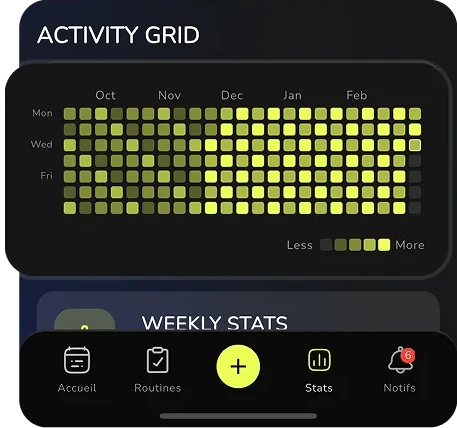
Track it somewhere you cannot ignore. Paper, calendar, app. The medium matters less than seeing the whole month at once. A month you can see is a month you argue with less.
Write the return rule down. Never miss twice. Put it where you will see it on the day you need it.
Tell one person. Not the internet. One person who will ask.
If your attention works differently and standard advice keeps failing you, building habits with ADHD changes several of these. If you keep starting challenges and losing them at the same point, why habits are hard to stick to is the more useful read.
Quick answers
What is a thirty-day challenge? You do one specific thing every day for thirty days, then decide whether to keep it. The fixed end date is what makes people agree to start.
Do thirty-day challenges work? For learning whether you want something, yes. Dry January participants were still drinking less six months later, whether or not they finished the month. For finishing a habit, thirty days is short. The median is 66 days.
How do I create my own? Name one action, give it a number, size it for your worst day, attach it to something you already do daily, and write down what you will do the first time you miss.
How many should I run at once? One. Two if the second takes under a minute.
What if I miss a day? Carry on. A single miss does not materially affect habit formation. Two in a row is the risk, so make the return rule before you need it.
What is the easiest one to finish? A daily photograph, ten pages of reading, or a twenty-minute walk. All three are cheap on a bad day, which is the only test that matters.
Should I restart from day one if I miss? No. Restart rules delete real progress over one bad Tuesday and are the commonest reason people quit in week two.
Where KUBBO fits
We built KUBBO around the day after a miss, because that is the day every challenge is decided.
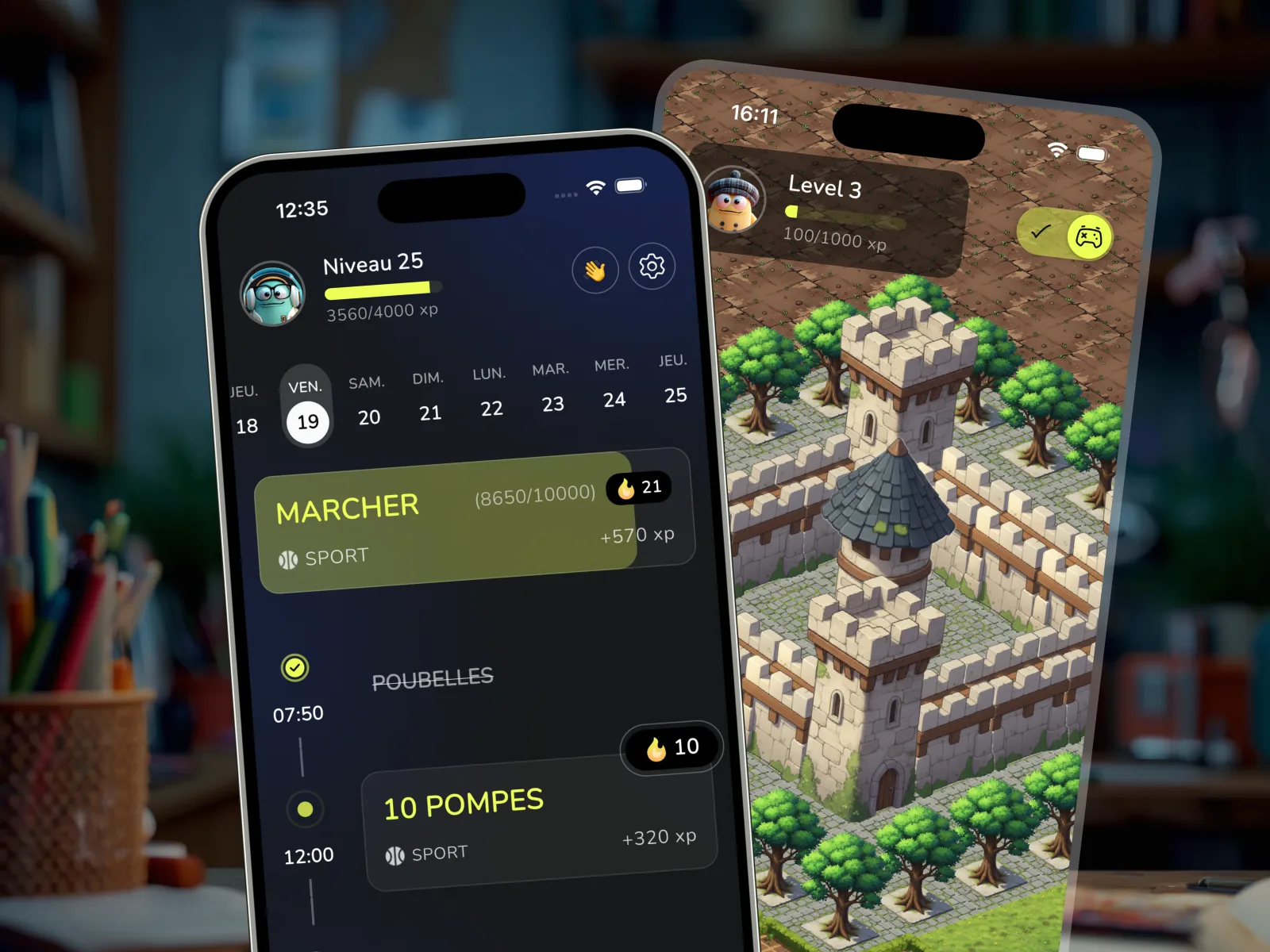
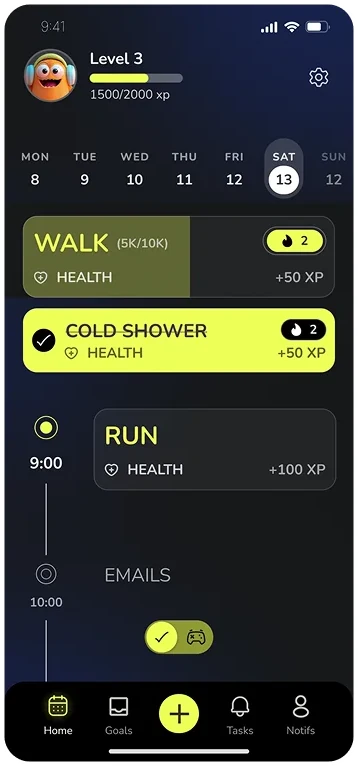
Every task you finish pays XP and Gold the moment you tap it, and the Gold builds a medieval city. Miss a day and nothing happens. Miss 48 hours and a building gets buried. You dig it out with Gold and carry on. You lose something real, you get it back, and the month you already built is still standing.
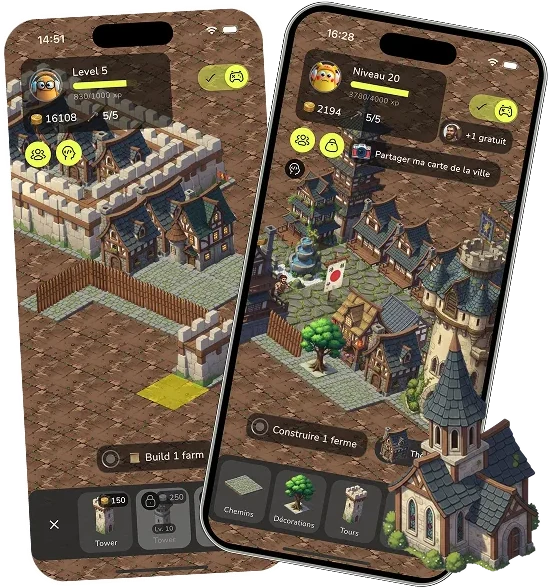
A streak asks you to be perfect for thirty days and deletes everything on the day you are not. A return assumes you will miss and makes the next day the cheapest one to show up for. The case for building it this way is in does gamification help build habits, and the evidence behind the design is in the science.
Pick one idea. Give it a number. Size it for your worst day. Then start on Monday, because a start line you can name is worth more than it should be. Browse the habit guides if you want the fuller version of whichever one you chose.